The hardest part of bringing your dog to your wedding may be deciding who takes them home. You will be in photographs, greeting guests, and getting married. Your dog needs someone whose attention stays with them.
A wedding dog chaperone can make a short visit easier to manage, but the service needs to fit your dog and venue. Start with the responsibilities, handover, and exit plan. Then choose the moment you want to share.
Decide what you need the chaperone to handle
Write the job from collection to the return home. It may include transport, care before the ceremony, a quiet place to wait, help during portraits, a short appearance, and overnight arrangements. Services differ, so ask what is included rather than assuming every booking covers the full day.
The final journey is worth planning first. Who has the house key, where will the dog sleep, and who is responsible if the reception runs late? A clear answer means you do not need to solve that handover while greeting guests.
“I had written down who was bringing Otto, but nobody was taking him home. That was the missing piece. Once we had a person, a time, and a spare house key sorted, I could actually picture enjoying the reception.”
Rowan Keene
Ask practical questions before booking
Ask about relevant wedding experience, insurance, first-aid training, transport arrangements, and how the person works with dogs like yours. Request references and discuss a previous situation where the plan had to change. The answer can show how they communicate and make decisions.
Confirm your venue's policy before paying for a plan that depends on access to a particular space. Share the date, location, likely arrival and departure windows, and whether a rehearsal or advance visit is possible.
Have your dog meet the chaperone ahead of the event. Discuss the normal routine, equipment, food, contact numbers, and any care instructions. Familiarity gives you both a clearer sense of the arrangement.
Choose a short visit with room to change
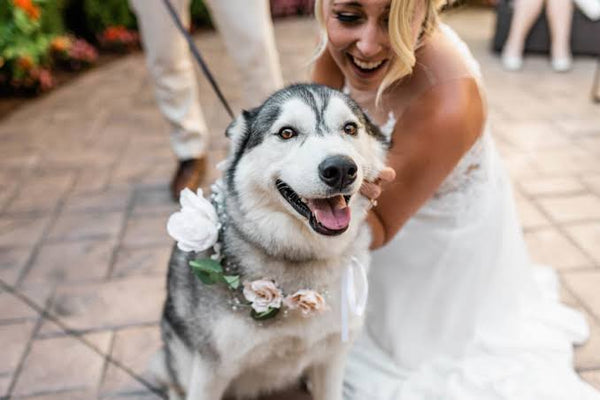
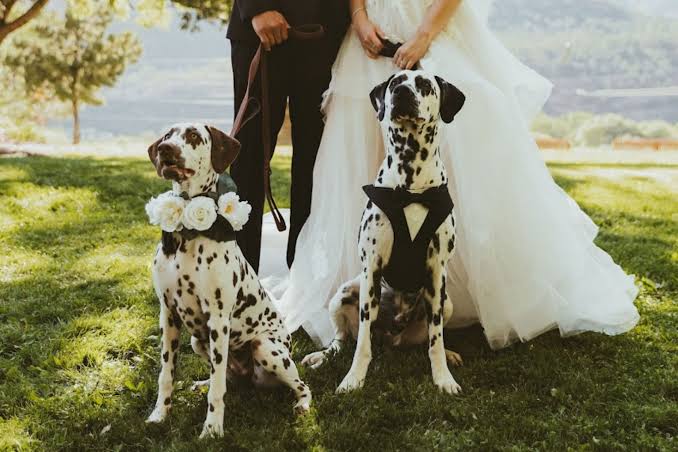
An aisle entrance is one option. A quiet reunion after the ceremony or a brief portrait session can be the whole booking. Decide which moment matters to you and ask what the dog will be doing before and after it.
A quiet reunion after the ceremony can be the whole visit. Your dog does not need an aisle role for the moment to matter.
If one partner wants a surprise, the handler, photographer, and venue still need to know the plan. Keep the surprise in the reunion rather than in who is responsible for the dog.
Agree on what happens if the rehearsal does not repeat
A dog may hesitate, become distracted, or simply want to leave. Choose an alternative: an escort alongside them, a shorter appearance, portraits elsewhere, or skipping the role. Give the chaperone permission to use that option without catching your eye during the ceremony.
The entrance does not have to go exactly as rehearsed. The plan needs to work if your dog decides not to take part.
Keep bathroom breaks and the normal care routine in the schedule. Do not improvise a fasting or exercise rule to make the dog fit the timeline. Ask your vet about changes where health needs are involved.
Let the chaperone manage the greetings
A dog who enjoys a few familiar people may still need a break from introductions. Tell guests to ask the handler before approaching, and agree on a quiet place they can move to. A small sign can support the request, but the person caring for the dog should lead.
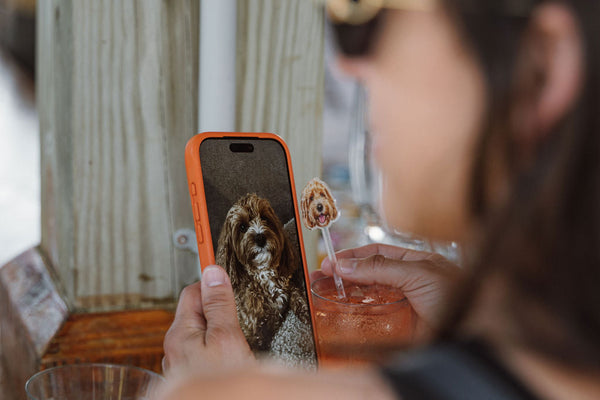
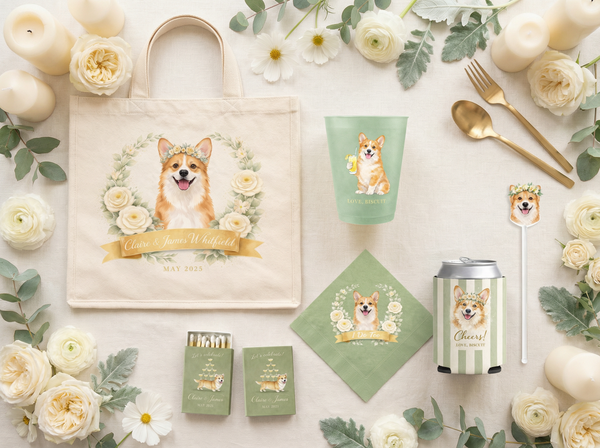
If a venue visit is not the right choice, the care arrangement can remain separate from the celebration. A photograph, drink name, or portrait on custom dog cocktail napkins can give your dog a place in the reception while they spend the evening somewhere familiar.
Let the personal details stay after the visit
A clear care plan lets you enjoy the time with your dog and know what happens afterward. If you also want their face at the reception, a coordinated bar set can carry the idea into the evening. Choose it around the napkins, stirrers, and cups your bar will use.